
How to Read Supplement Labels When Shopping for Health Products in Hamilton
A supplement label should help you identify what the product is, why it is intended to be used, how much to take and which warnings apply. Reading the front panel alone is not enough. Product names and marketing phrases can sound similar even when ingredients, doses and cautions differ.
When shopping for
health products in Hamilton, use the label and Health Canada licensing information to compare products safely. Supplements can interact with medications and are not appropriate for everyone, so ask a pharmacist or healthcare professional when unsure.
Look for an NPN or DIN-HM
Licensed natural health products in Canada display an eight-digit Natural Product Number (NPN) or Homeopathic Medicine Number (DIN-HM). Health Canada’s Licensed Natural Health Products Database can be used to look up authorized products.
The number means the product has been assessed for sale under its recommended conditions of use. It does not mean the product is suitable for every person or can replace medical care.
Read the Recommended Use or Purpose
The label states the authorized purpose or use. Compare that wording with what you actually want from the product.
Be cautious when online advertising makes broader claims than the label. Therapeutic claims should align with the authorized information.
Check Medicinal Ingredients
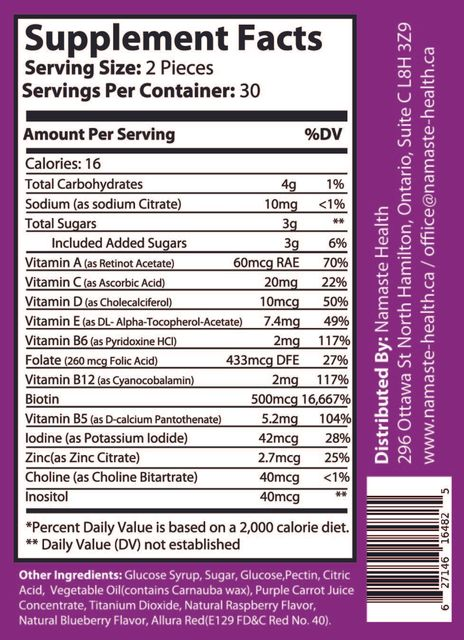
Medicinal ingredients are the components intended to contribute to the product’s effect. Read the name, source, quantity and potency per dosage unit.
Two products may list the same ingredient but provide very different amounts. Compare the amount per tablet, capsule, scoop or measured liquid.
Understand the Dose
The recommended dose may vary by age group or purpose. Note the number of units, frequency, timing and maximum duration.
Do not assume that more is better. Taking several products with overlapping ingredients can unintentionally increase total intake.
Review Non-Medicinal Ingredients
Non-medicinal ingredients may include capsule materials, sweeteners, flavours, colours, fillers or preservatives. These can matter for allergies, intolerances, dietary choices and swallowing preferences.
“Natural” does not mean free of allergens or interactions.
Read Warnings and Contraindications
Labels may identify who should not use the product, when to consult a healthcare professional and which symptoms require stopping.
Pay attention to pregnancy and breastfeeding warnings, age restrictions, medical conditions, medication interactions and surgery-related cautions.
Check Duration of Use
Some products are intended only for short-term use. The label may state a maximum duration or advise consultation for use beyond a certain period.
Long-term use should not be assumed safe simply because the product is available without a prescription.
Find the Lot Number and Expiry Date
The lot number helps identify a specific production batch and is important for quality concerns or recalls. The expiry date indicates how long the product is expected to meet specifications when stored correctly.
Do not use products with damaged seals, missing labels or expired dates.
Follow Storage Instructions
Heat, moisture, light and improper closure can affect a product. Bathrooms and vehicles are often poor storage locations because temperature and humidity fluctuate.
Keep products in their original containers so instructions, lot numbers and expiry dates remain available.
Compare Serving Size Carefully
Powders and liquids may use scoops, teaspoons or millilitres. Confirm whether ingredient amounts are listed per scoop or per full daily dose.
Use the measuring device supplied or an accurate household measure when the label permits. Do not estimate concentrated liquids.
Avoid Double-Dosing
Multivitamins, fortified foods, drink mixes and single-ingredient supplements can overlap. Write down all products and calculate total amounts when needed.
A pharmacist can review the list for duplication and potential interactions.
Special Considerations for Children
Children are not small adults. Use only products labelled for the child’s age and follow the exact dose.
Store supplements like medication, out of sight and reach. Gummies can resemble candy and may be consumed in dangerous quantities.
Talk to a Healthcare Professional
Ask before using a supplement if you take prescription medication, have a chronic condition, are pregnant or breastfeeding, are preparing for surgery or are giving it to a child.
Bring the container or a clear photo of the full label. Product names alone may not identify the formula.
Watch for Misleading Claims
Be skeptical of promises to cure many unrelated conditions, replace prescribed treatment or deliver immediate guaranteed results.
Health products should be evaluated by their licensed label, evidence, safety information and relevance to your needs—not testimonials alone.
Frequently Asked Questions
What does NPN mean?
It is an eight-digit Natural Product Number identifying a natural health product licensed for sale in Canada.
Does an NPN mean there are no risks?
No. Follow the label and consider allergies, interactions, medical conditions and individual suitability.
Can I take two supplements with the same ingredient?
You may exceed the intended total dose. Review all labels and ask a pharmacist or healthcare professional.
Where can I verify a product?
Search Health Canada’s Licensed Natural Health Products Database using the NPN, product name or ingredient.
Shop With Better Information
Namaste Health carries health products in Hamilton for customers comparing supplements and wellness items. Reading the full label helps you understand the product before purchasing.
This article provides general information only and is not medical advice. Follow the authorized label and consult a qualified healthcare professional for personal guidance.